Game Cheat & HWID Research Guides
CheatsMatch research guides explain the terms used in game cheat and HWID spoofer listings. Choose the question you need answered: what a hardware ban means, what a spoofer claims to change, how temporary and permanent labels differ, how internal and external tools are classified, or how to assess a provider’s public information. Each guide separates published claims from verified facts.
Choose a guide
Each guide answers one research question and links to the relevant comparisons. Use the definitions, comparison tables and examples to understand a product category and the limits of its published claims.
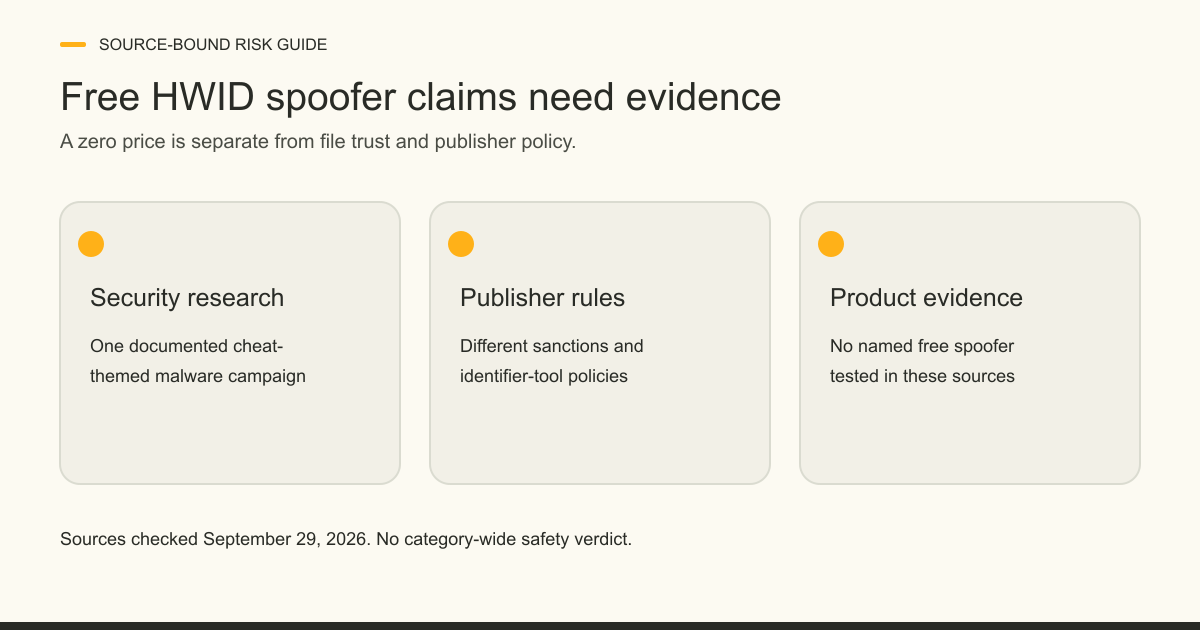
HWID bans and spoofers


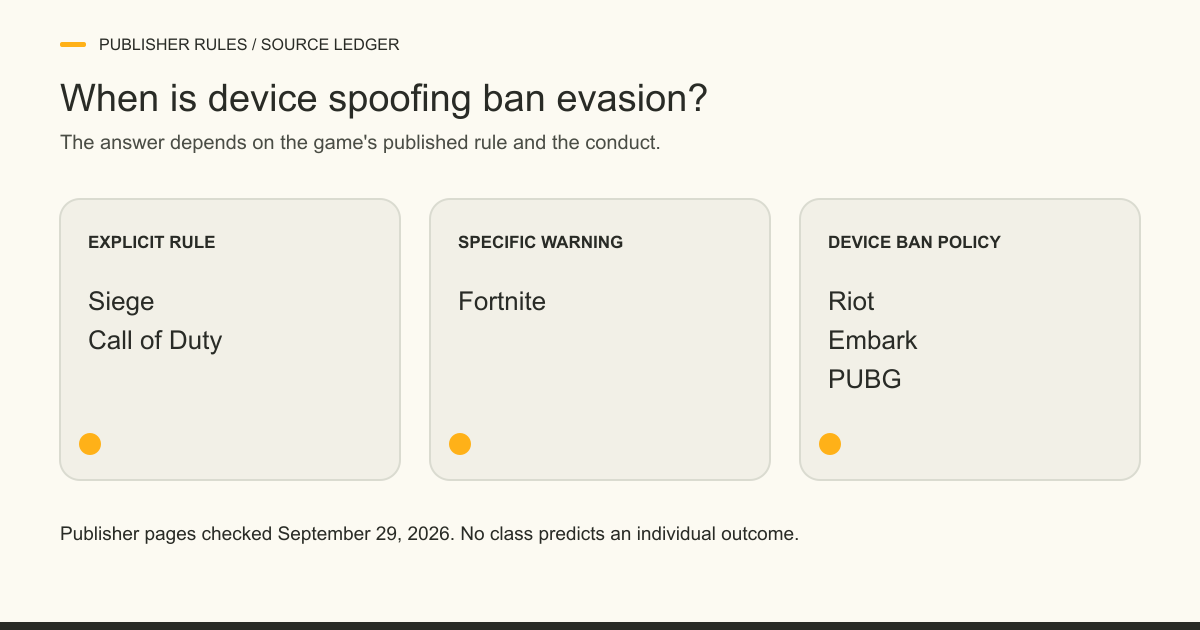
Game bans and appeals
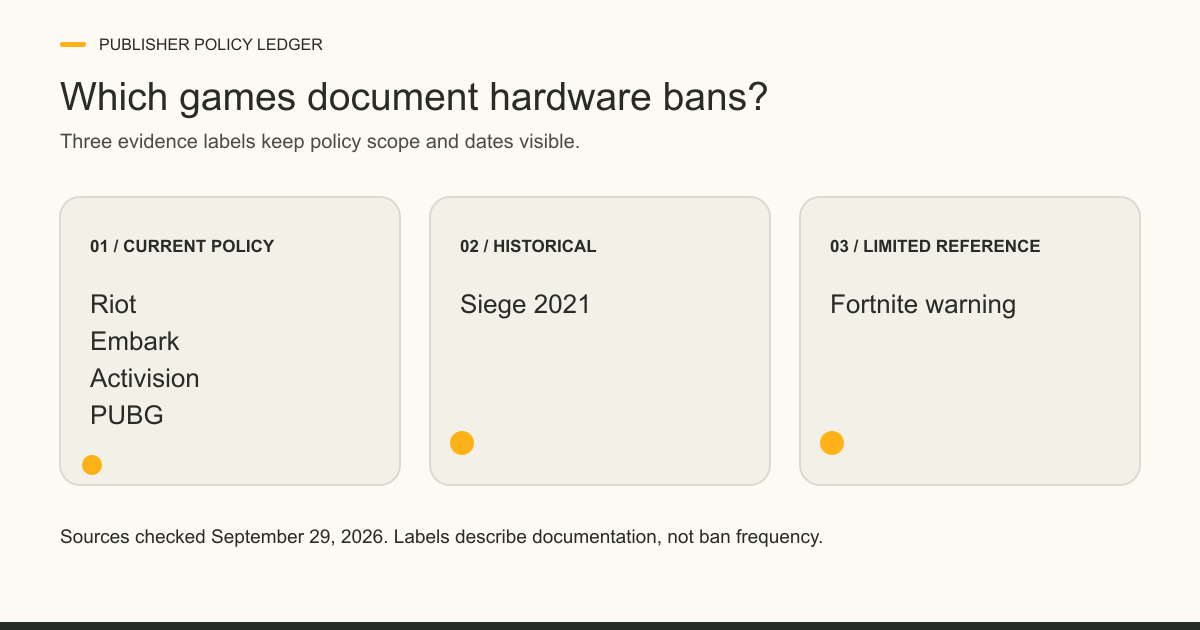
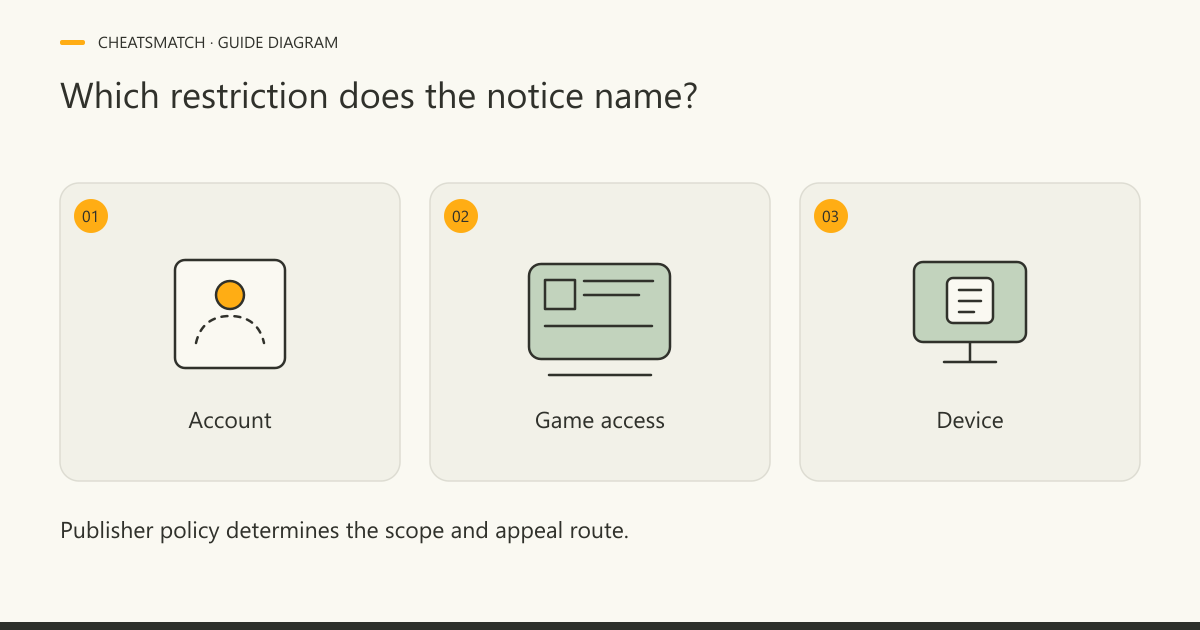 Game bans and restriction types
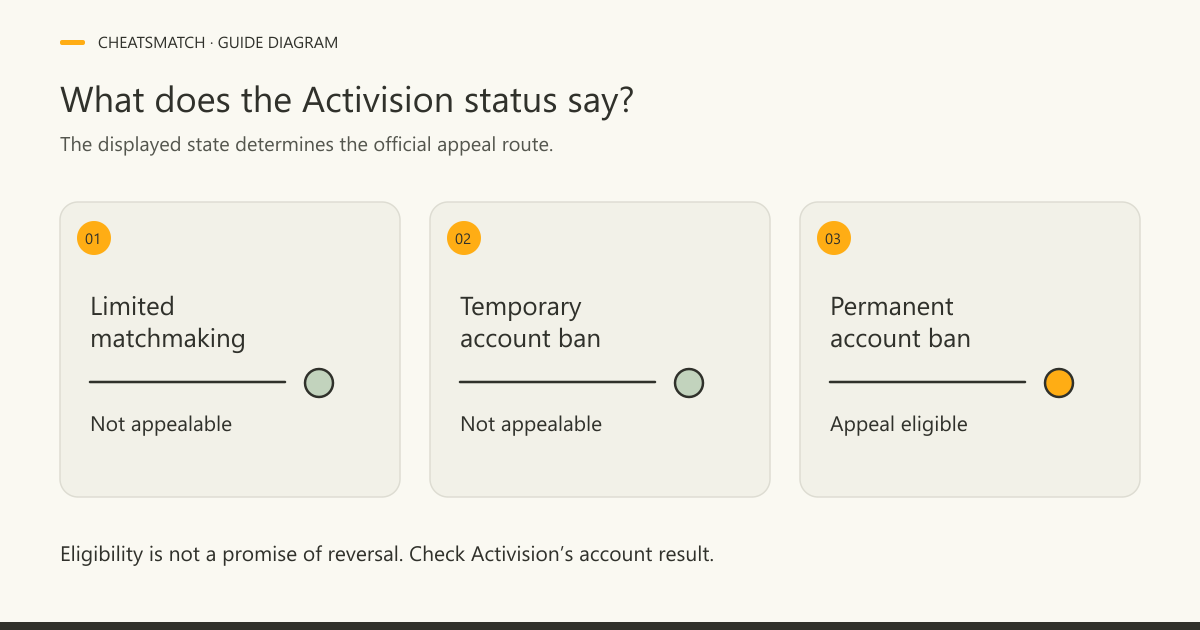 Call of Duty Bans: Limited Matchmaking and Appeals
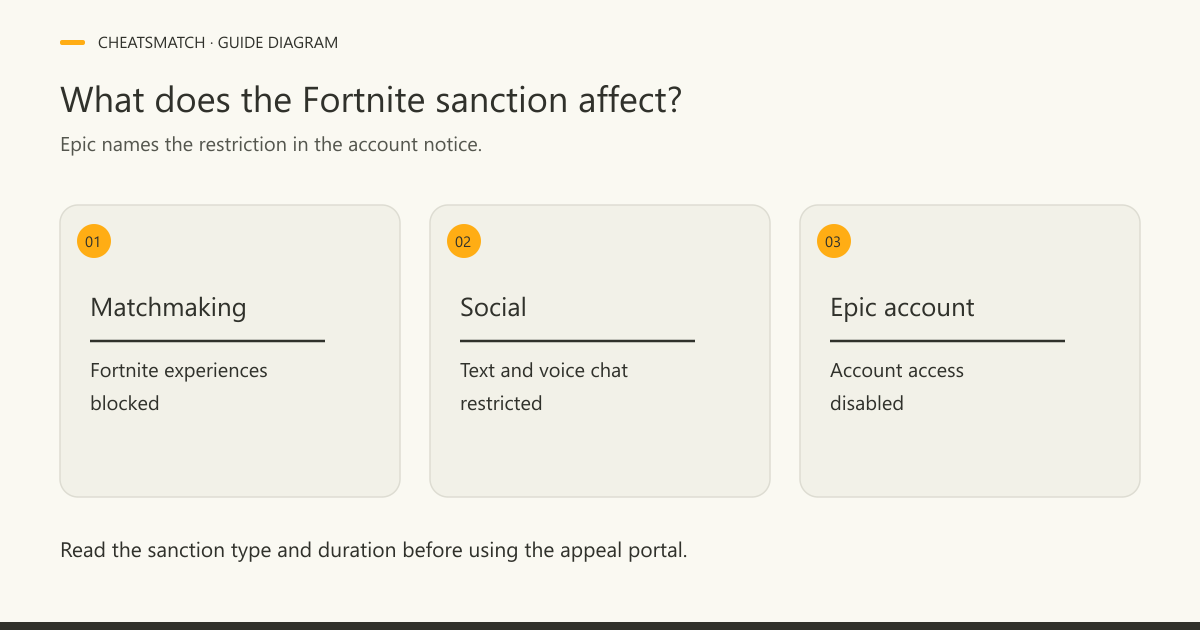 Fortnite Bans and Appeals: Sanctions, Duration and Epic's Portal
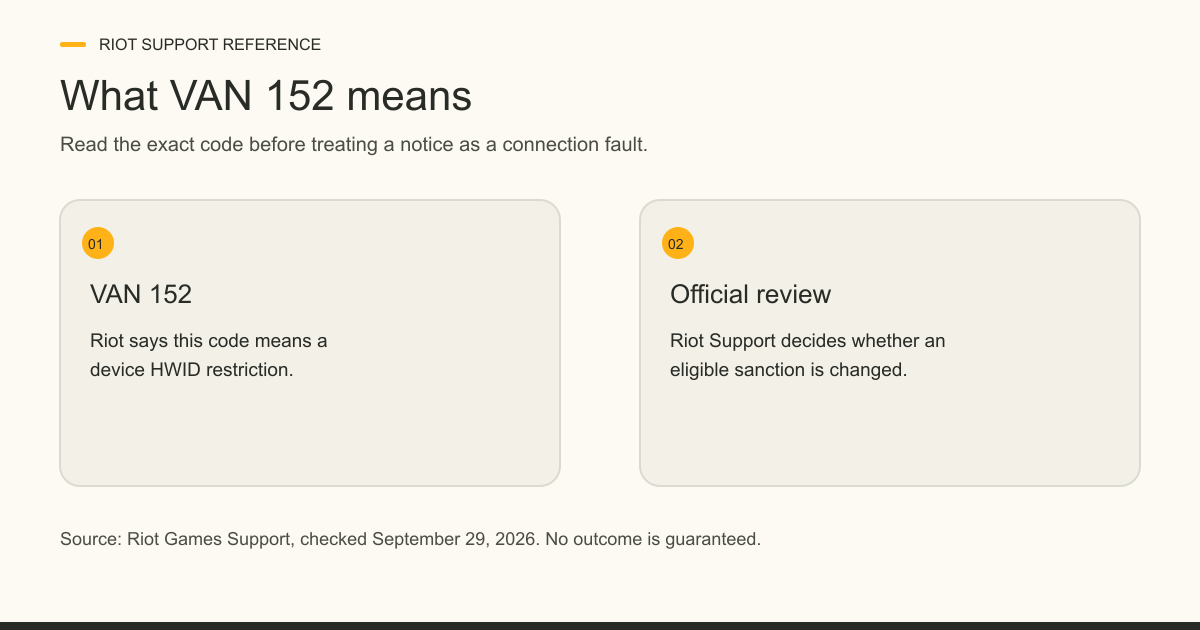
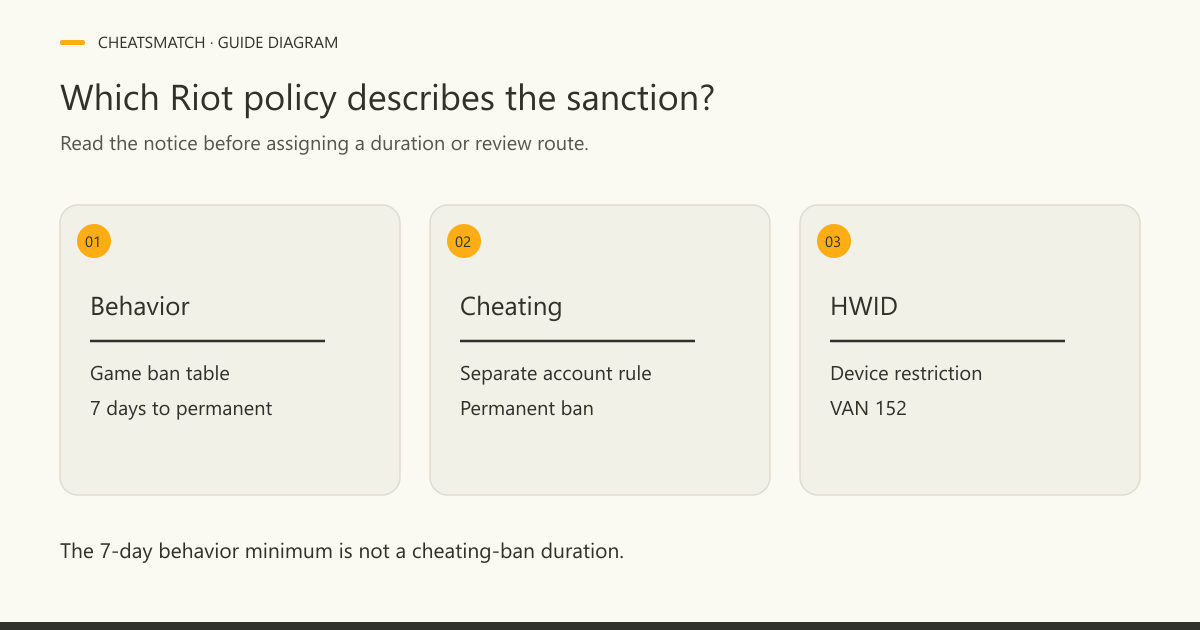 VALORANT Bans and Appeals: Behavior, Cheating and HWID
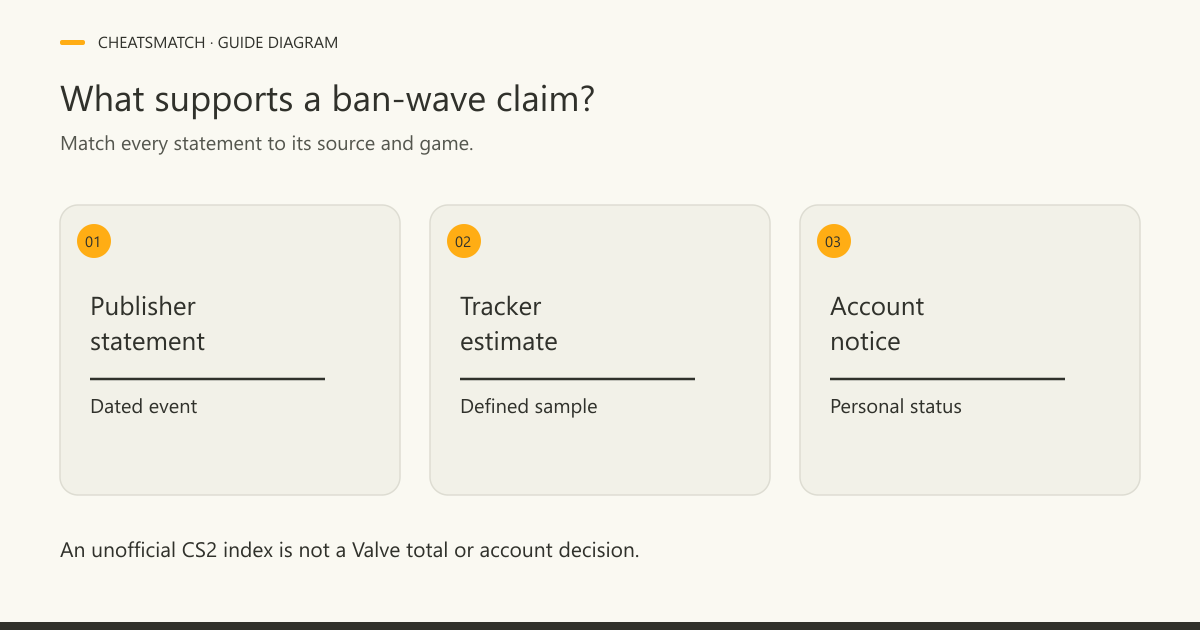 Ban Waves Explained: Publisher Examples and CS2 Tracker Limits
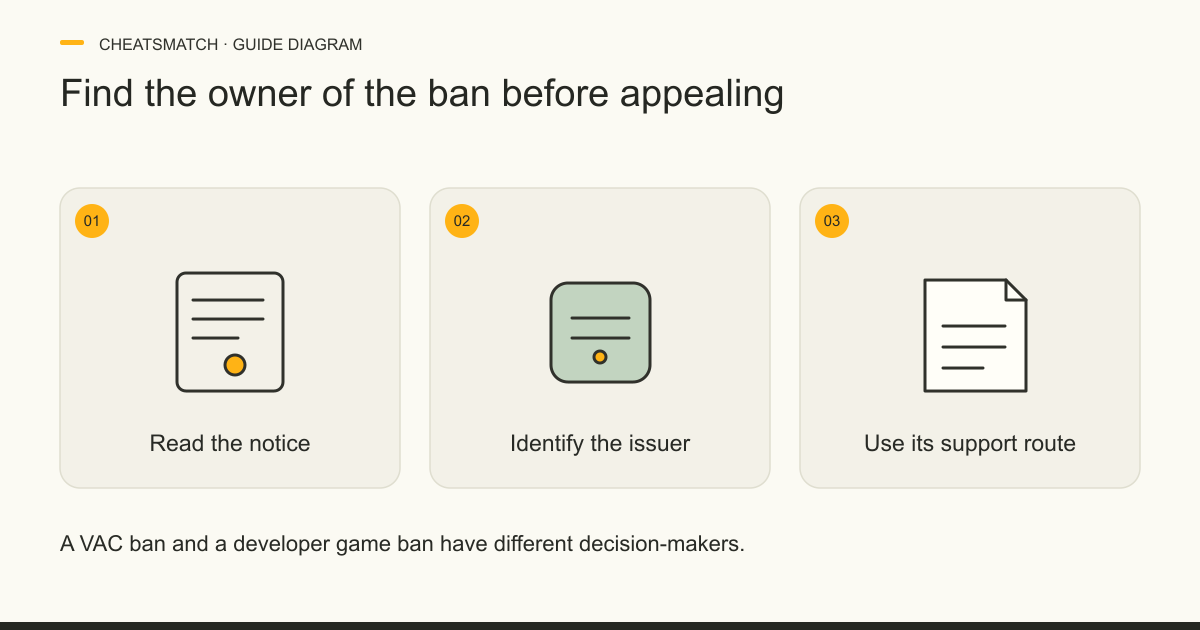 How to Appeal a Game Ban: Official Routes for PC Games
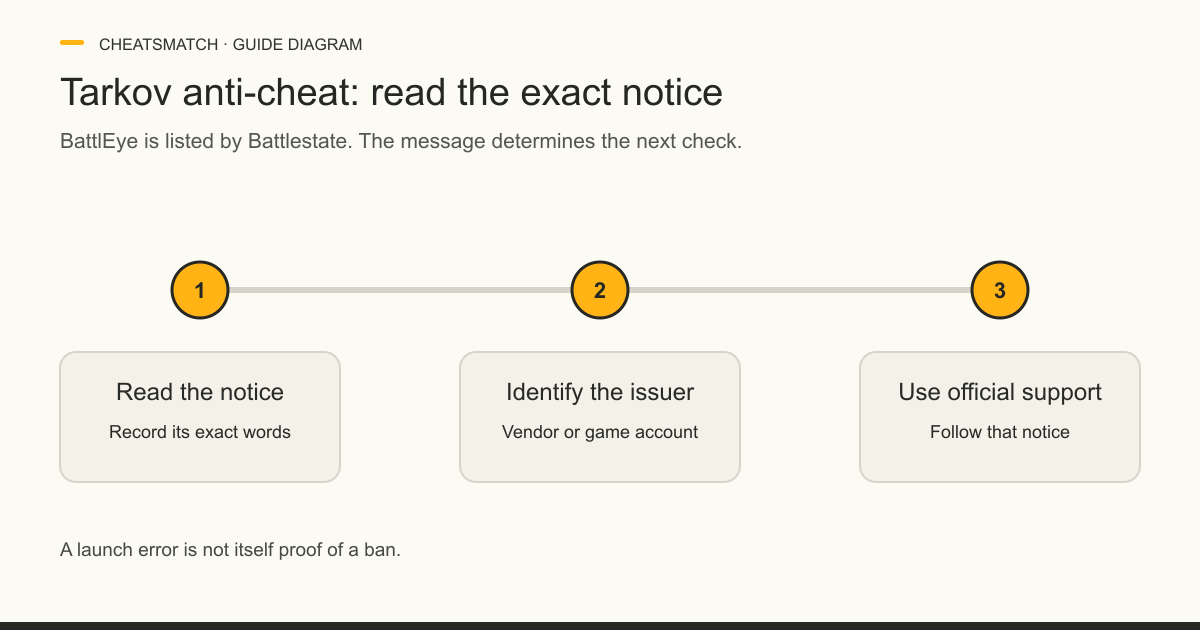 Escape from Tarkov Anti-Cheat and Bans Explained
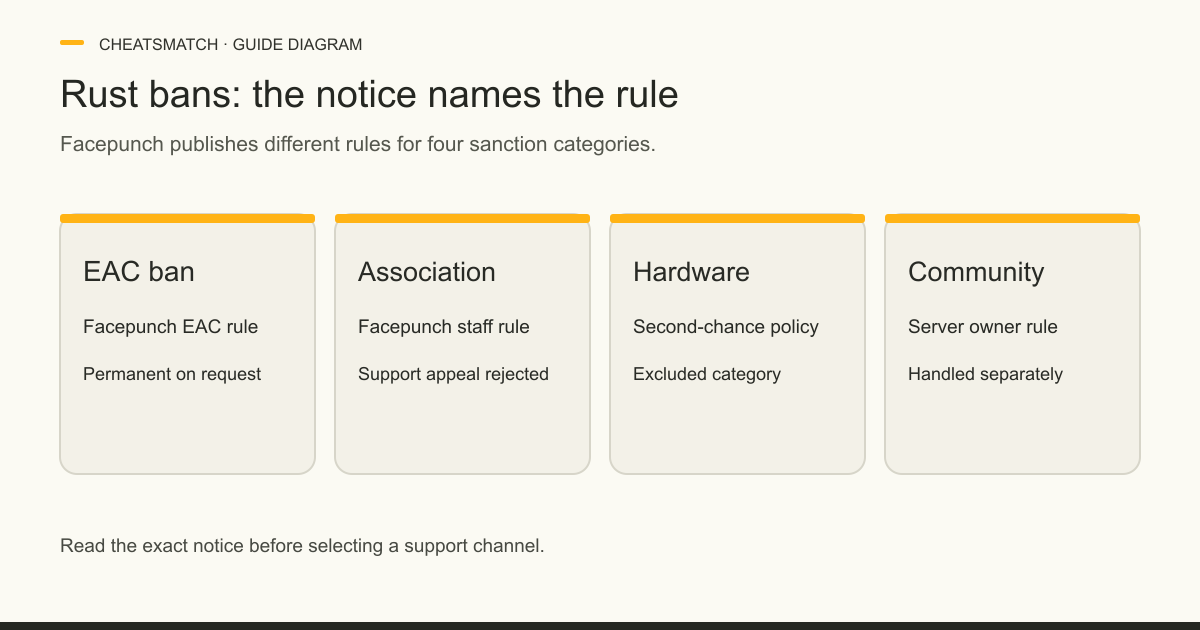 Rust Ban Appeals: EAC, Facepunch and Hardware Rules
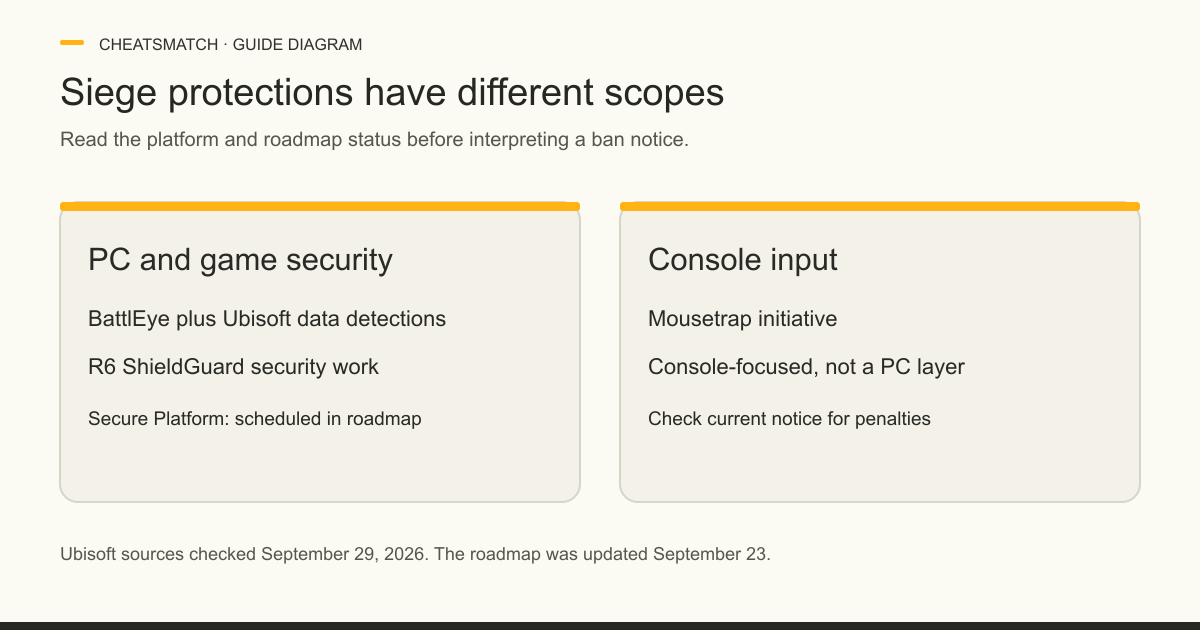 Rainbow Six Siege Bans: BattlEye, ShieldGuard and Appeals
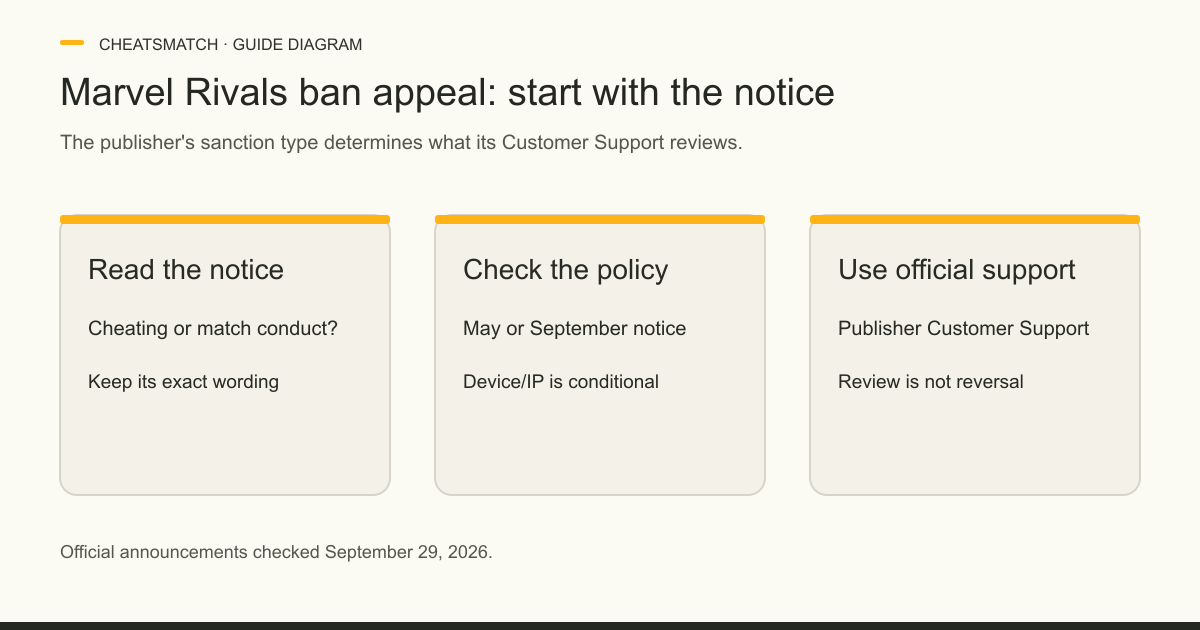 Marvel Rivals Ban Appeals and Anti-Cheat Explained
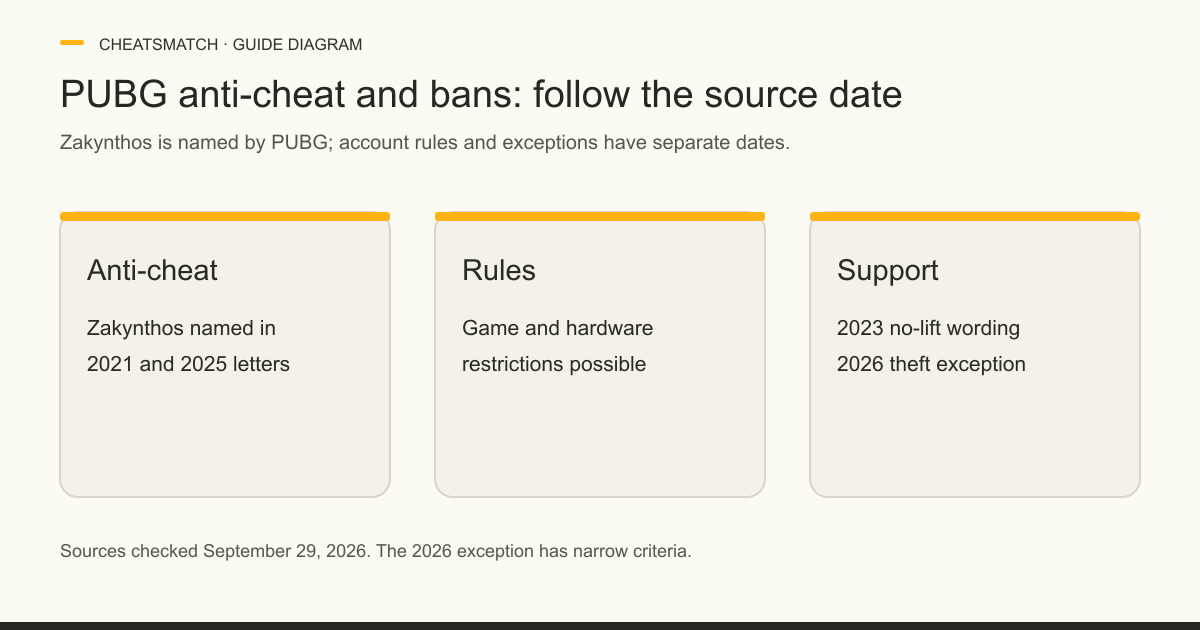 PUBG Anti-Cheat and Bans: Zakynthos, Hardware and Appeals
Anti-cheat systems
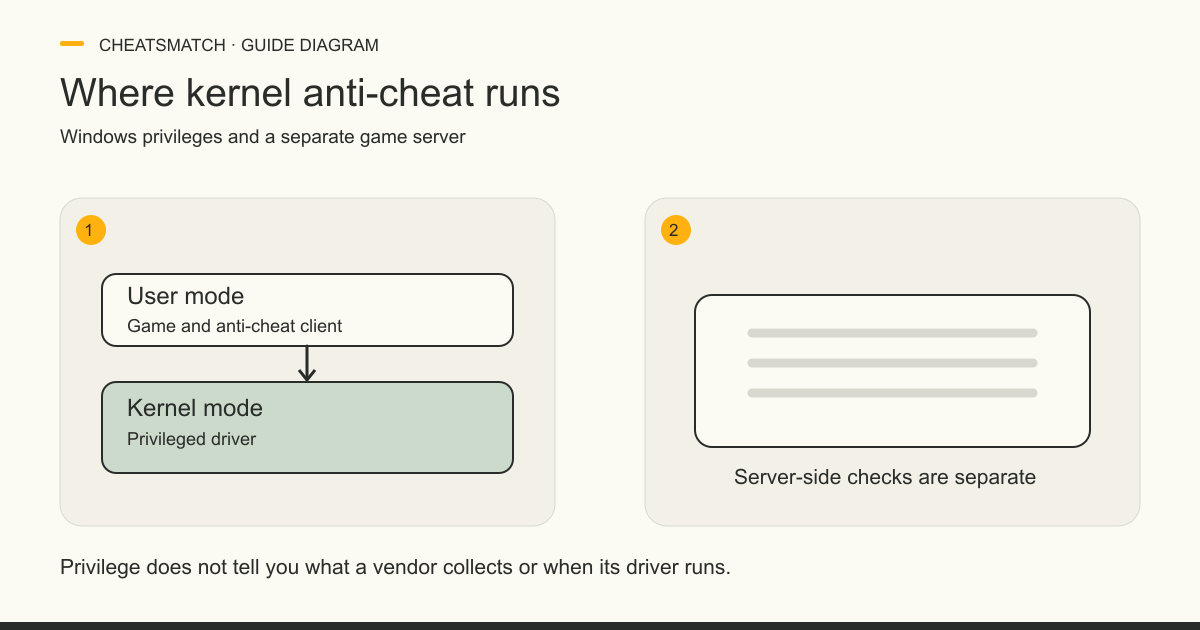 Kernel-level anti-cheat
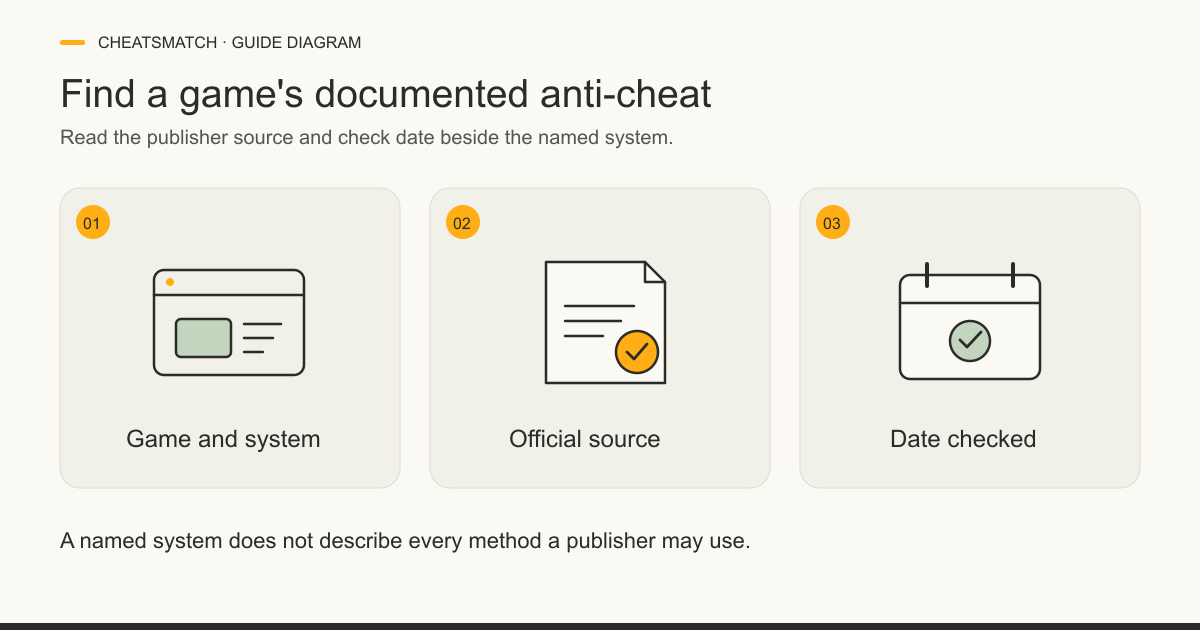 Anti-cheat by game
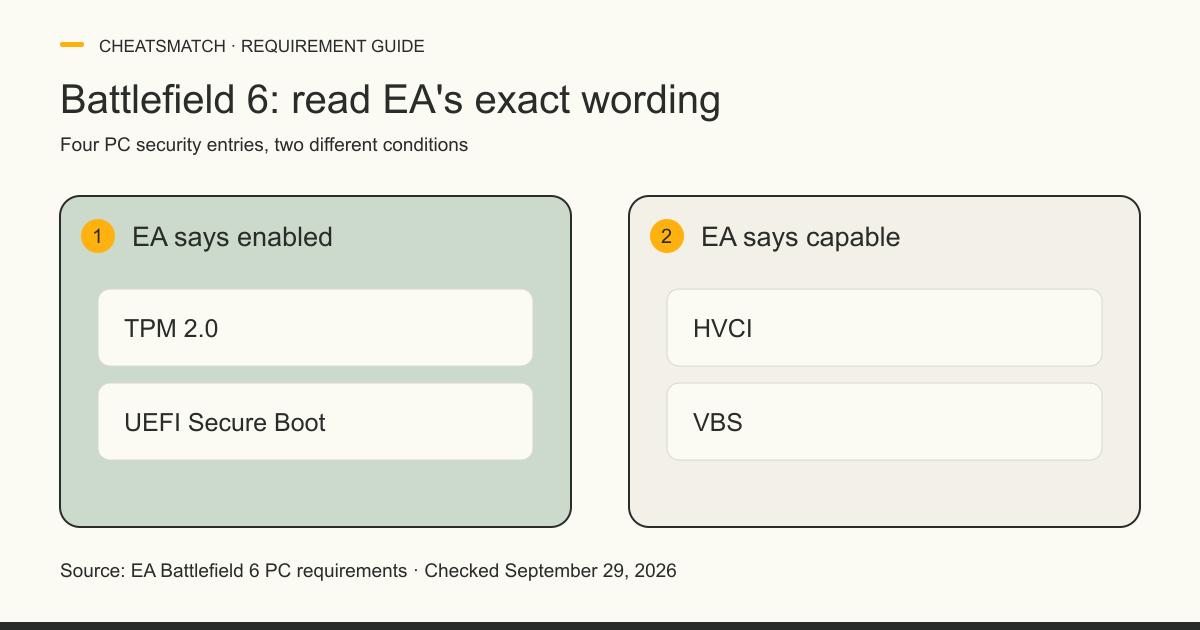 Battlefield 6 Secure Boot
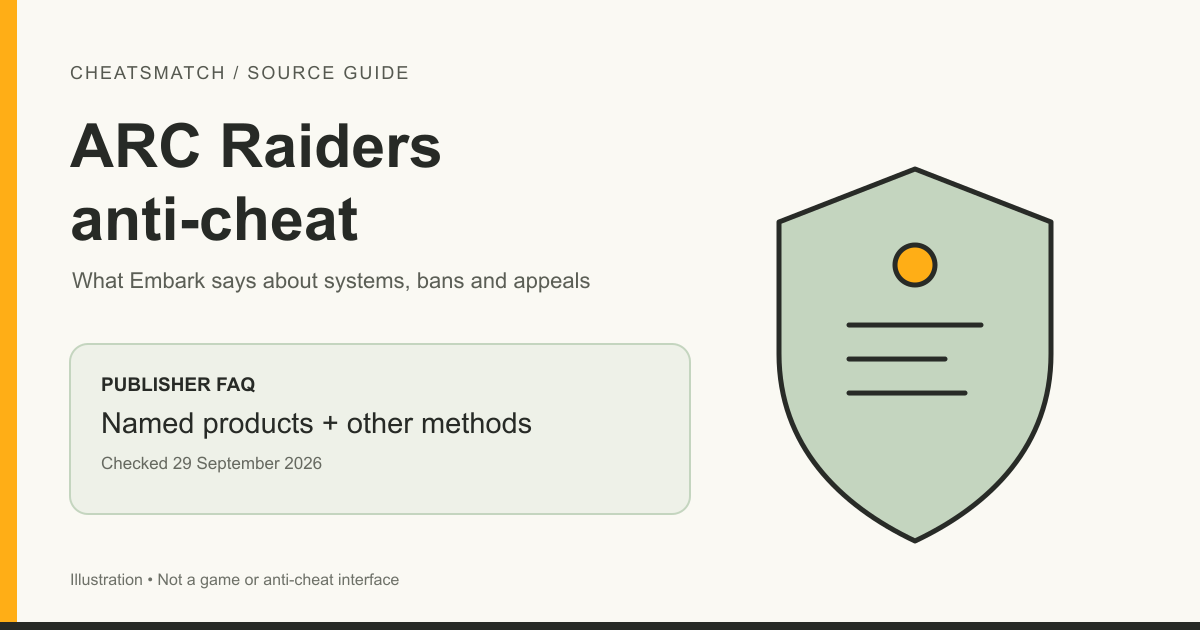 ARC Raiders anti-cheat
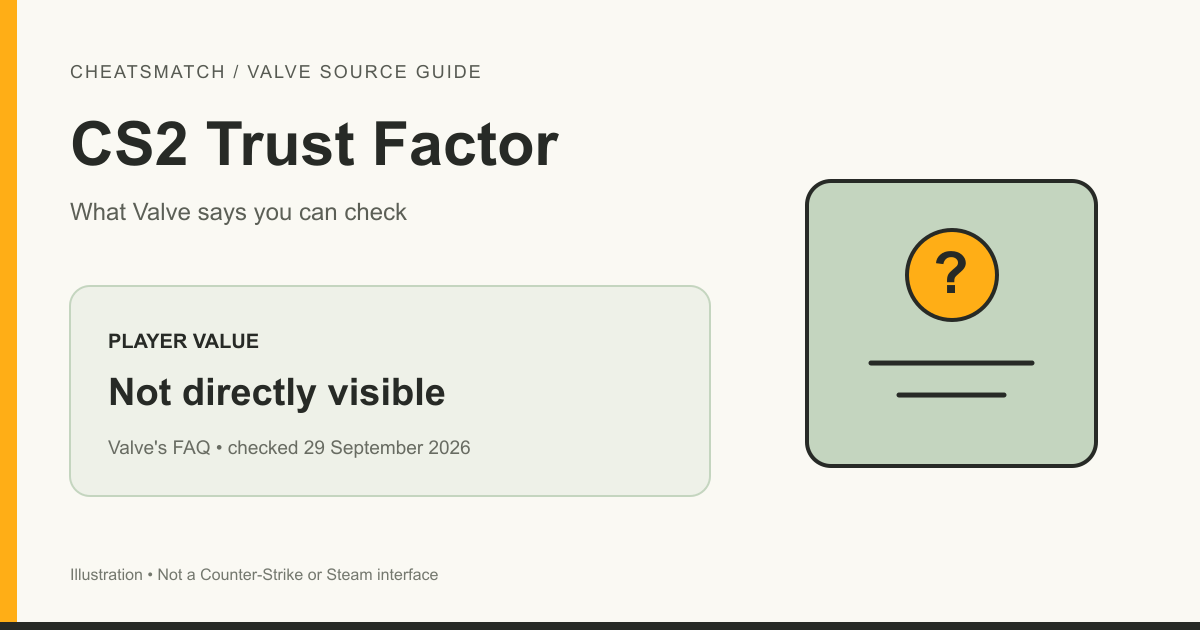 CS2 Trust Factor
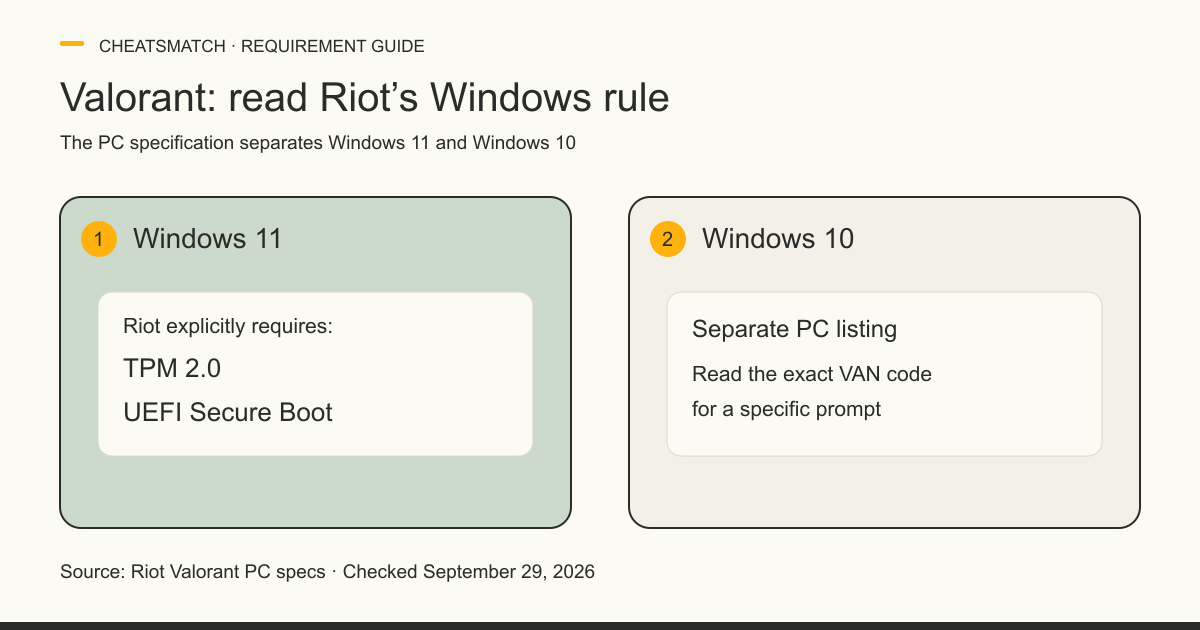 Valorant UEFI Secure Boot Errors: Riot's Requirements and Checks
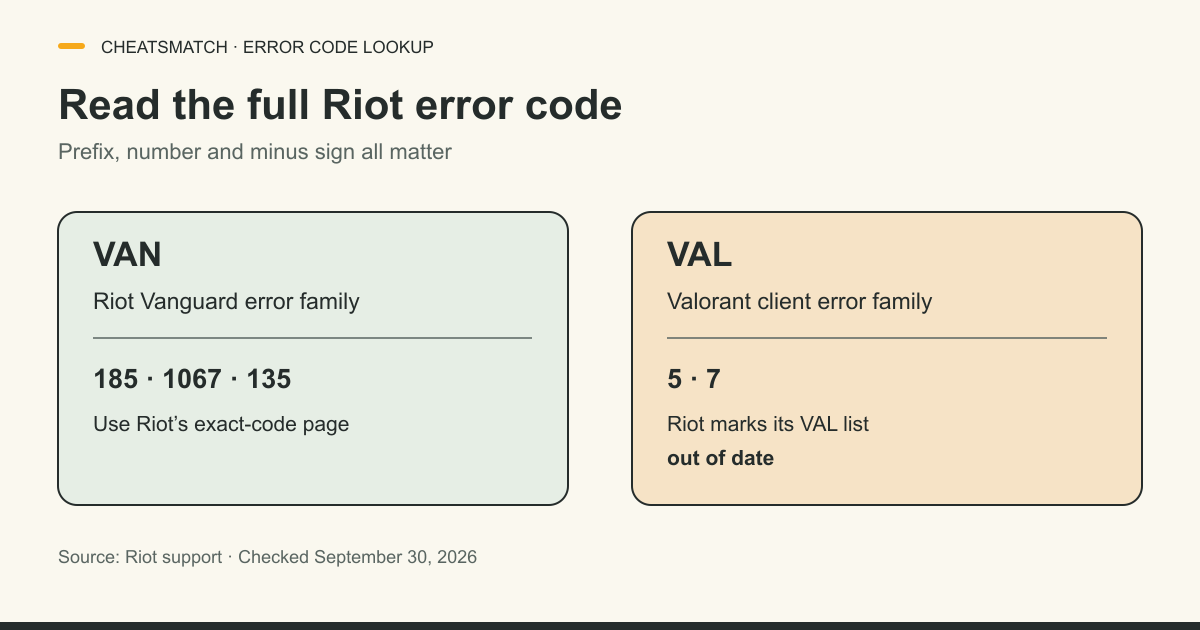 Vanguard Error Codes Explained: VAN 185, VAN 1067, VAN 135, VAL 5 and More
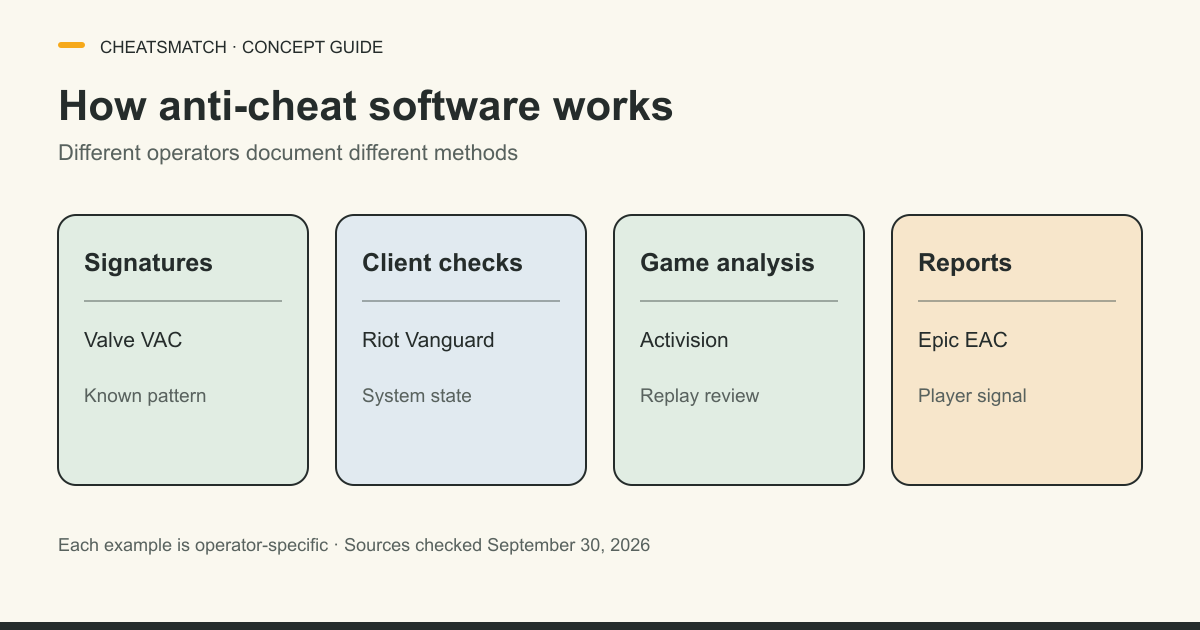 How Anti-Cheat Software Detects Cheats: Signatures, Behavior and Reports
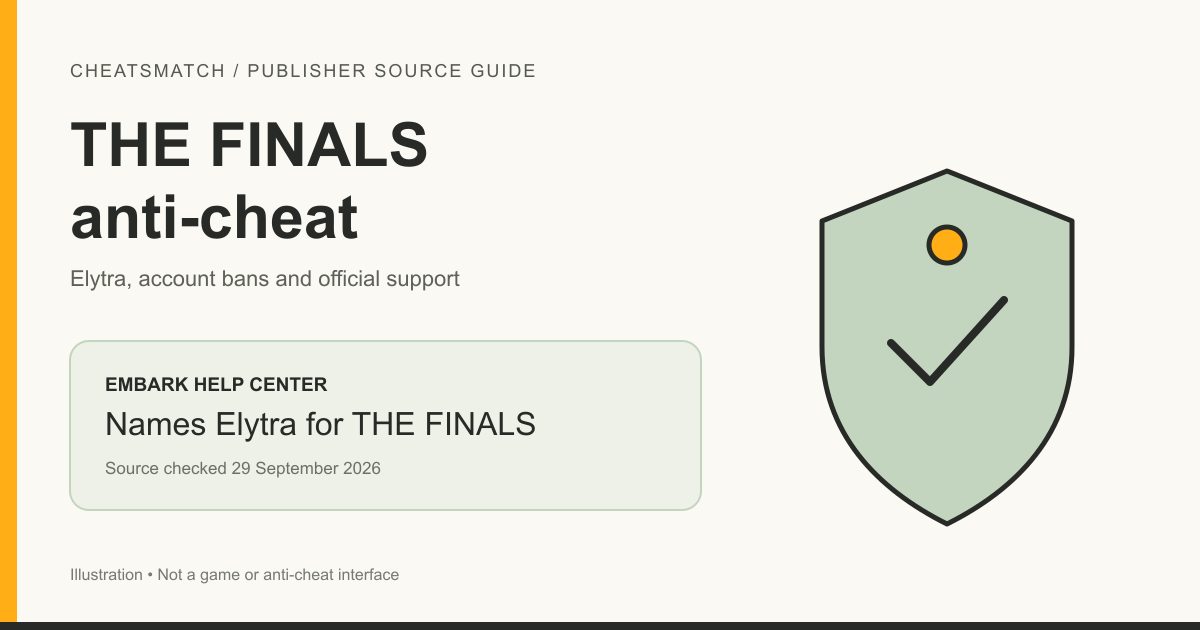 THE FINALS Anti-Cheat: Elytra, Bans and Official Support
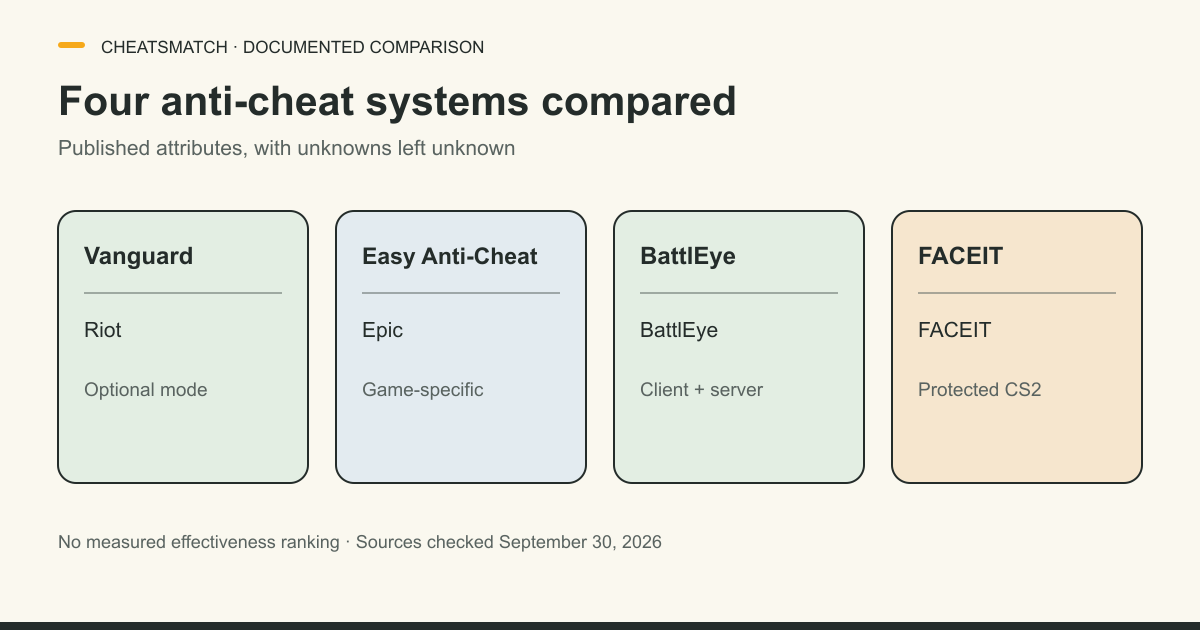 Vanguard vs Easy Anti-Cheat vs BattlEye vs FACEIT: Anti-Cheat Systems Compared
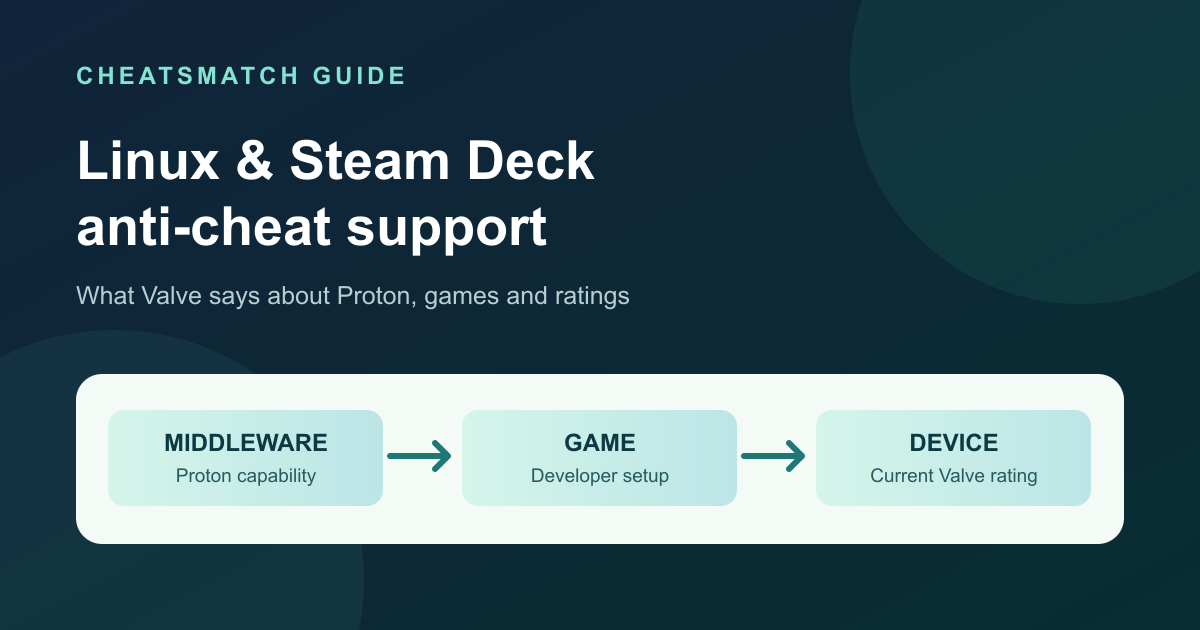 Which Anti-Cheats Work on Linux and Steam Deck?
Cheat types and features
 Internal vs external game cheats
 Game cheat glossary
 What is an aimbot?
 What are DMA cheats?
 What Is ESP (Wallhack) in Games? Types and How Games Detect It
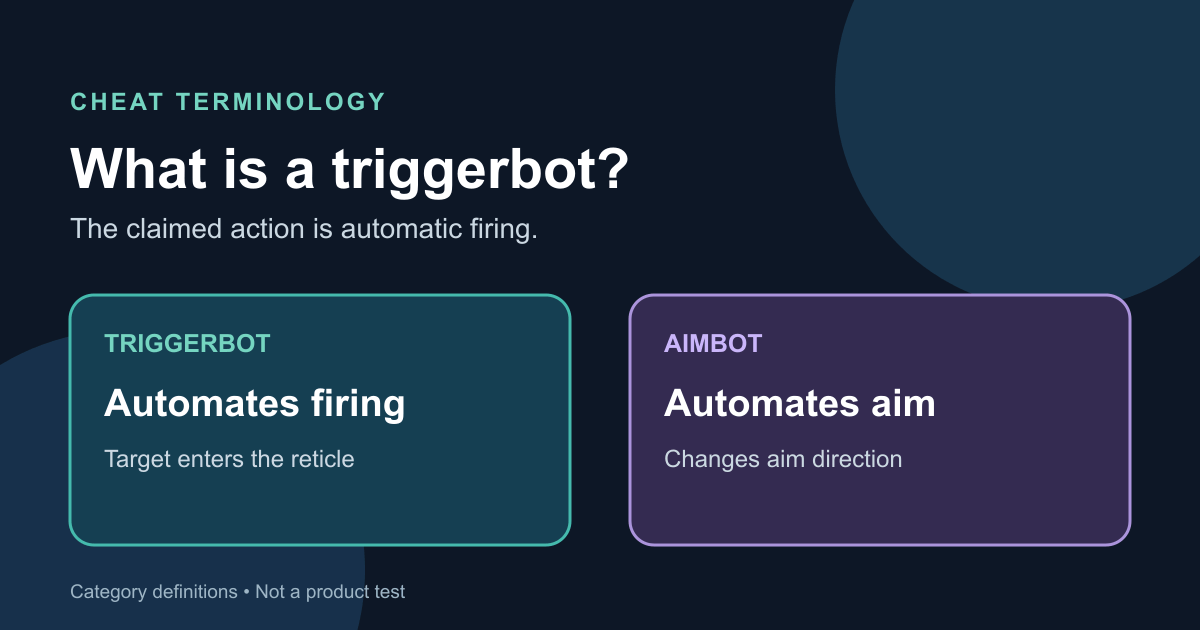 What Is a Triggerbot? How It Differs from an Aimbot
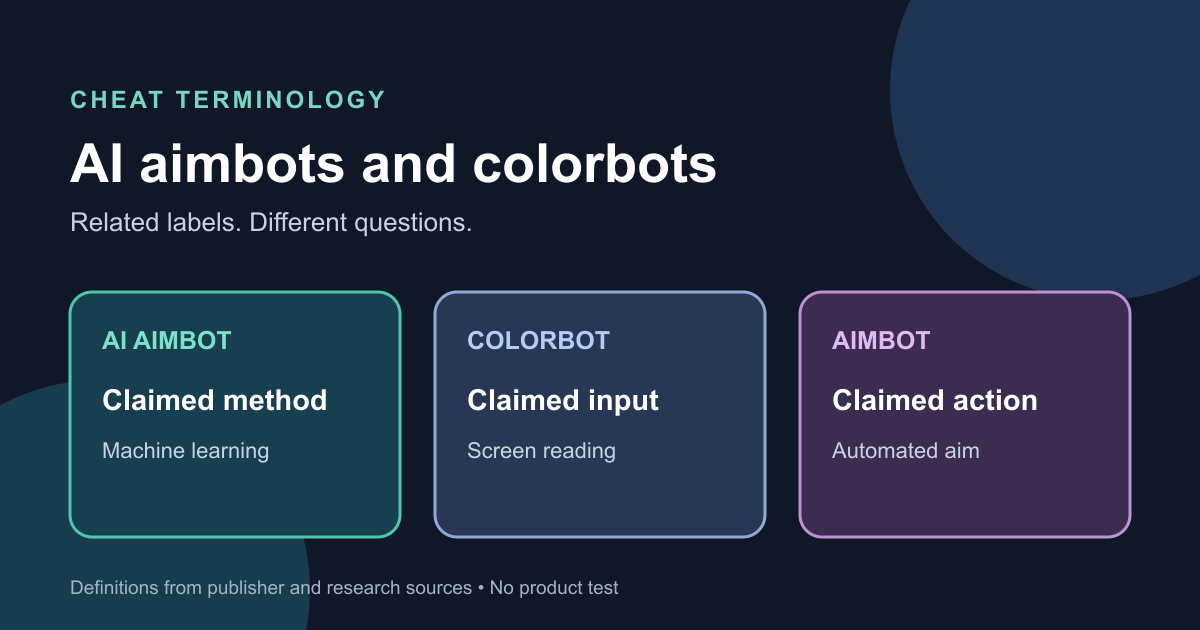 AI Aimbots and Colorbots: How Computer-Vision Cheats Work
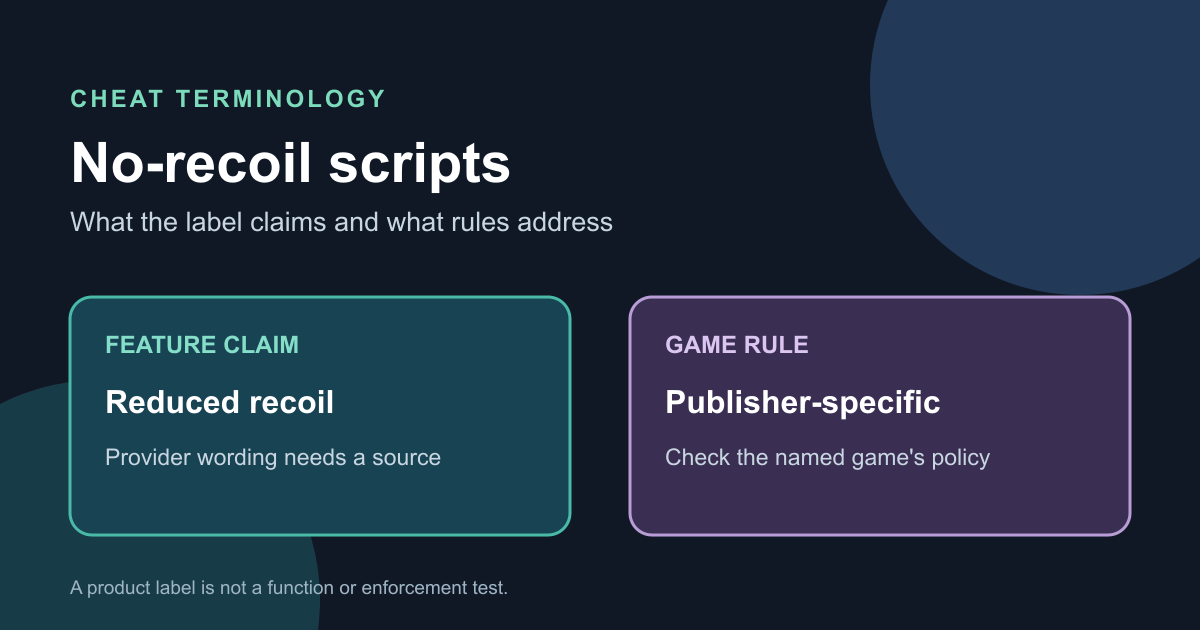 No-Recoil Scripts and Macros: How They Work and Whether Games Ban Them
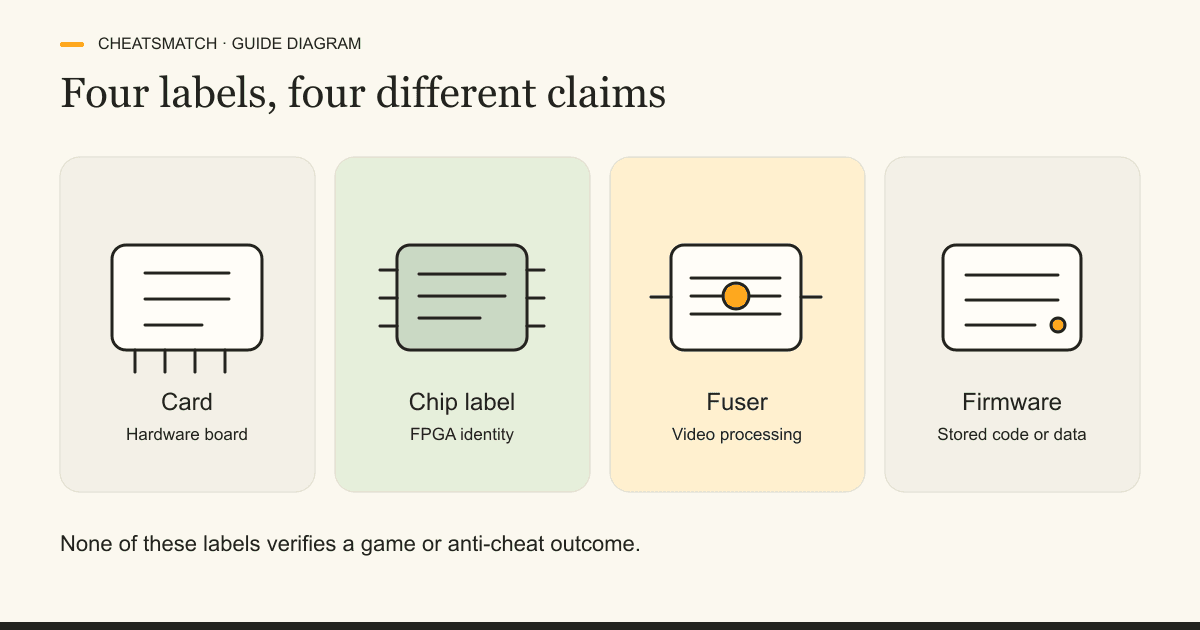 DMA Cards, Fusers and Firmware: What the Labels Mean
Provider and purchase research
 How to evaluate game cheat providers
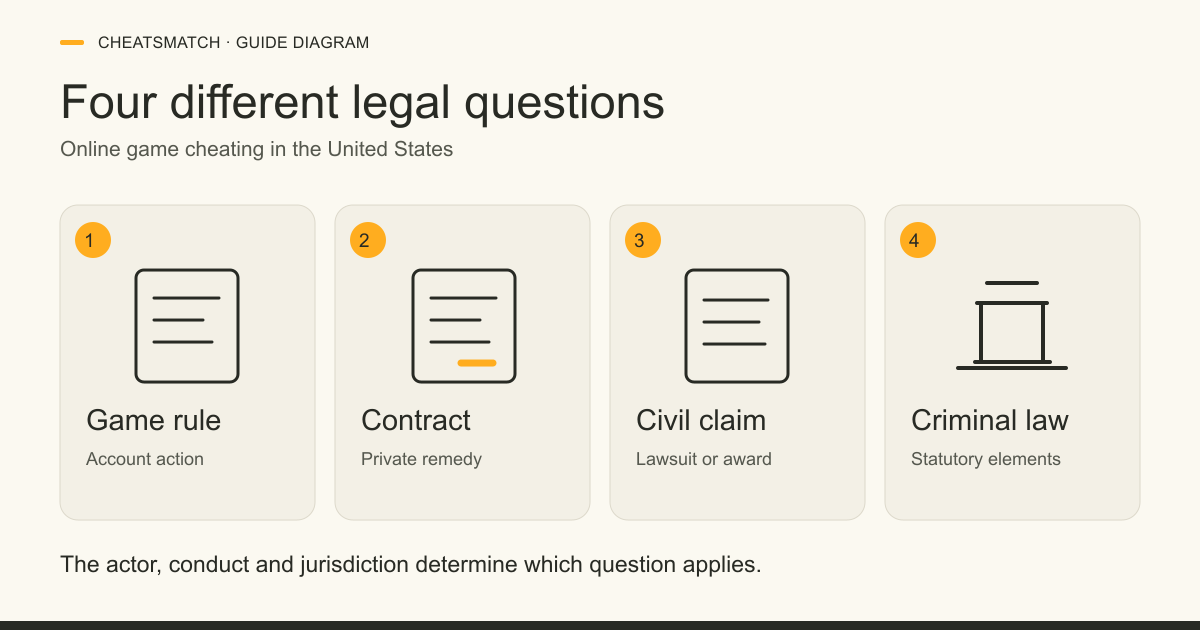 Is Cheating in Online Games Illegal? Laws and Lawsuits Explained
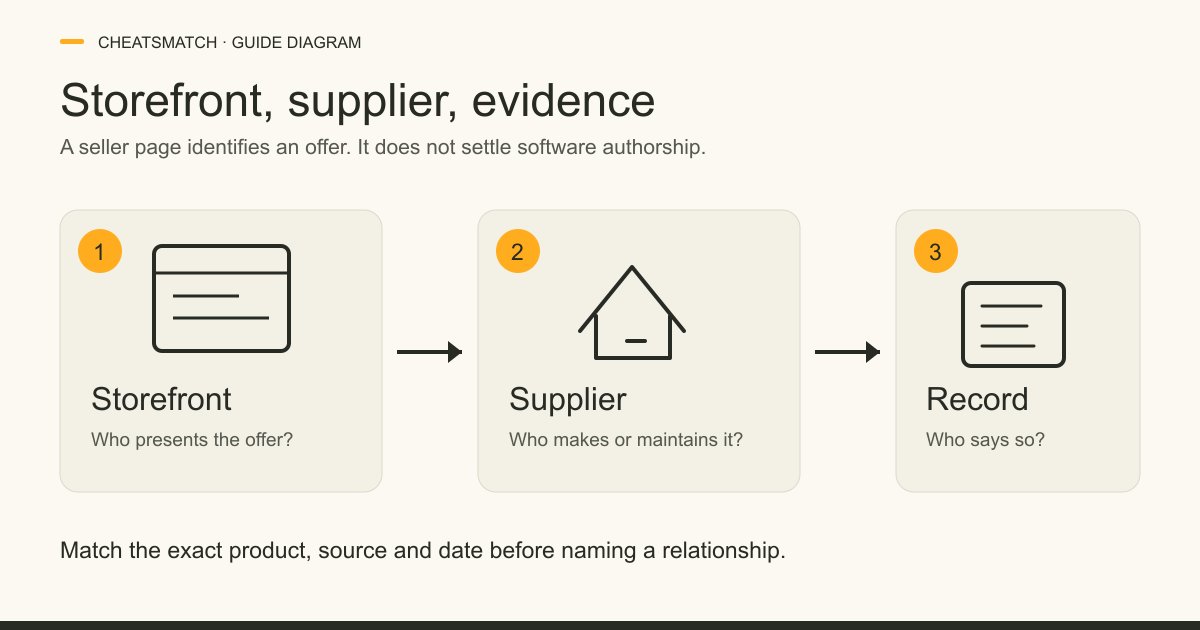 Cheat Resellers vs Developers: How to Tell Who Actually Makes a Cheat
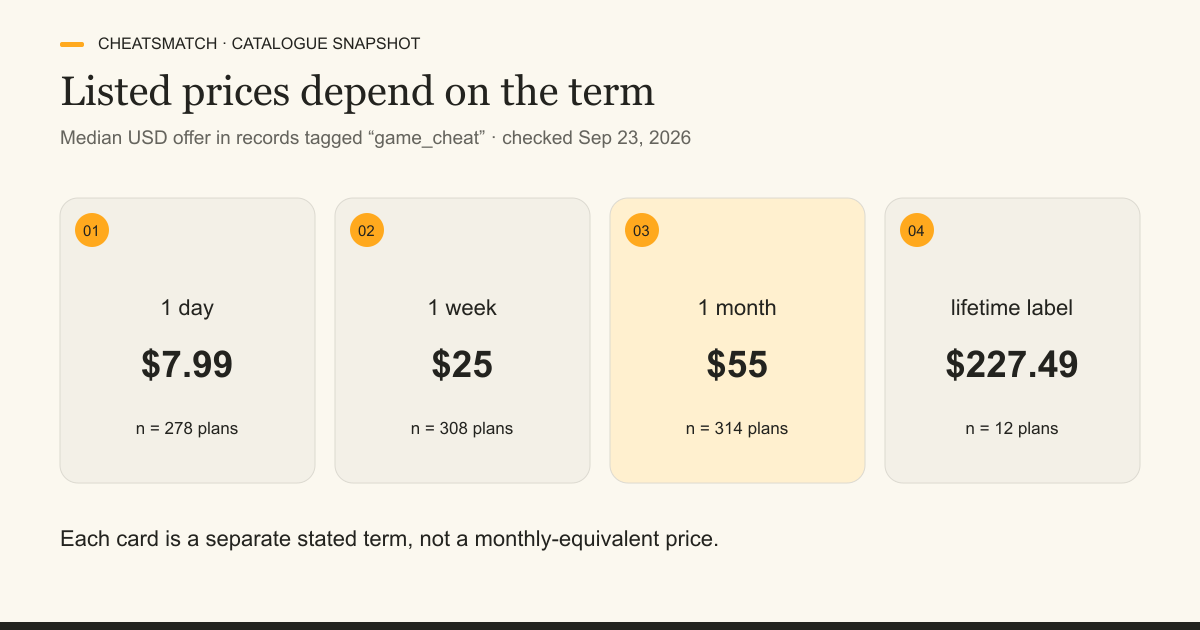 How Much Do Game Cheats Cost? Prices by Plan and Game
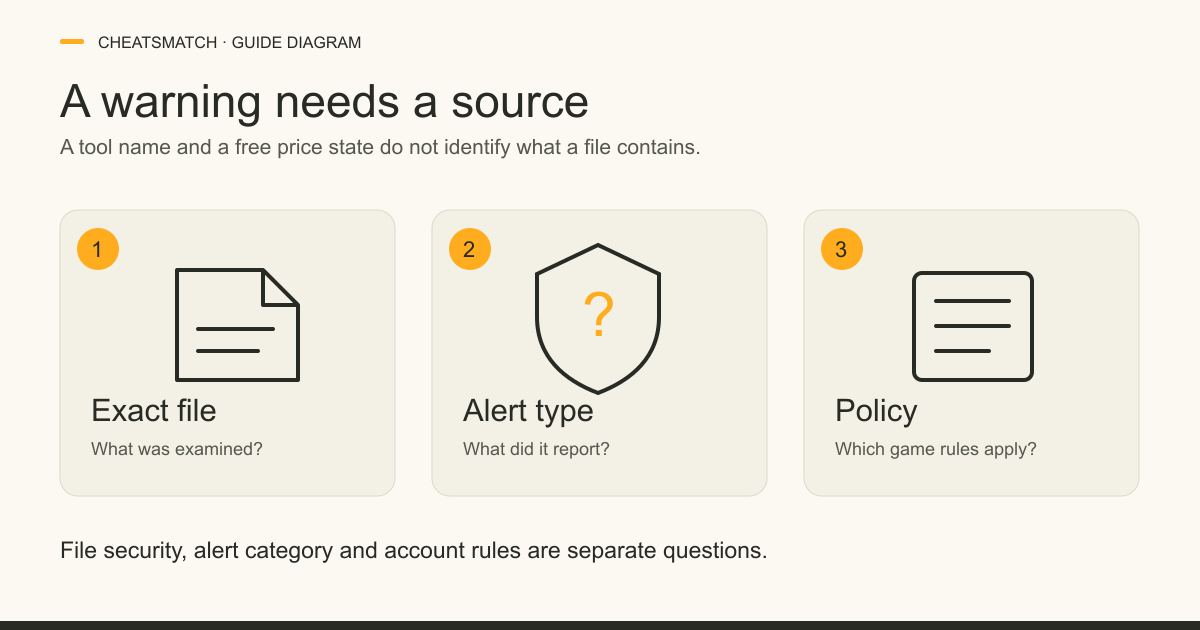 Free Cheats and Loaders: Malware, Scams and Detection Risks
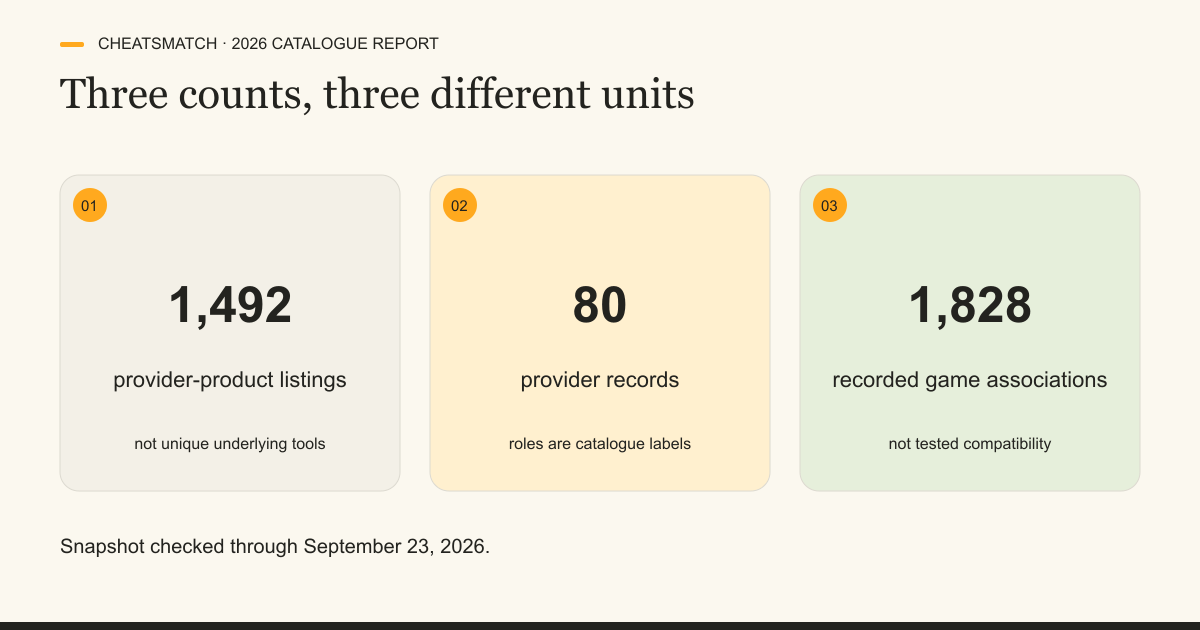 PC Cheat Catalogue Report 2026: What 1,492 Listings Show
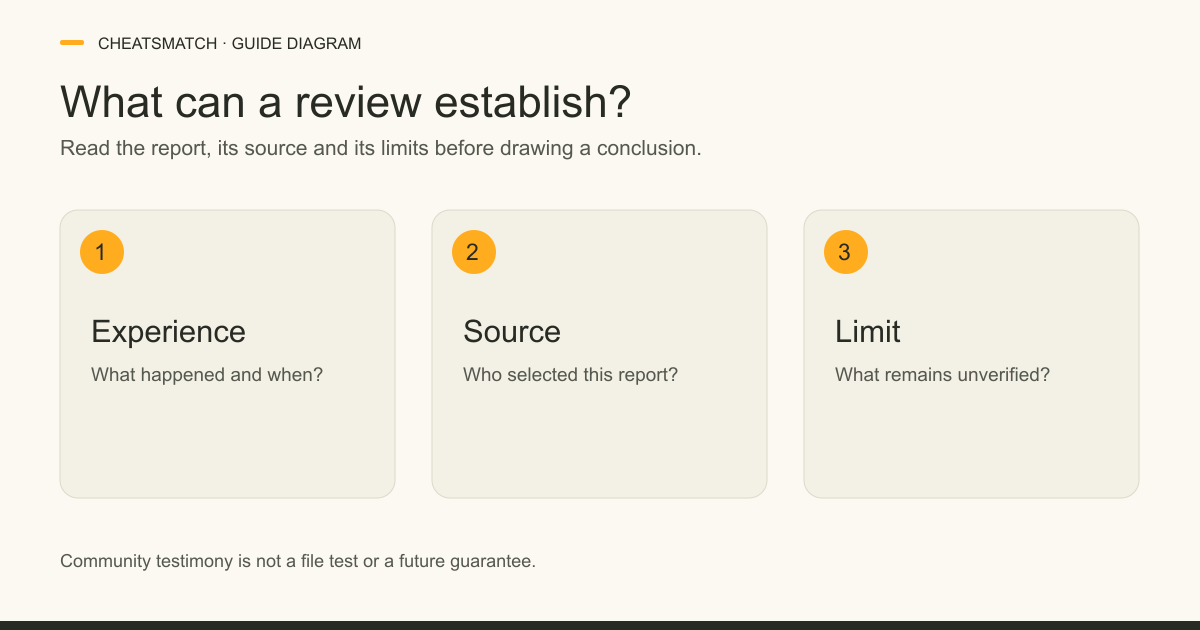 How to Read Cheat Reviews: Trustpilot, Discord Vouches and Forum Threads
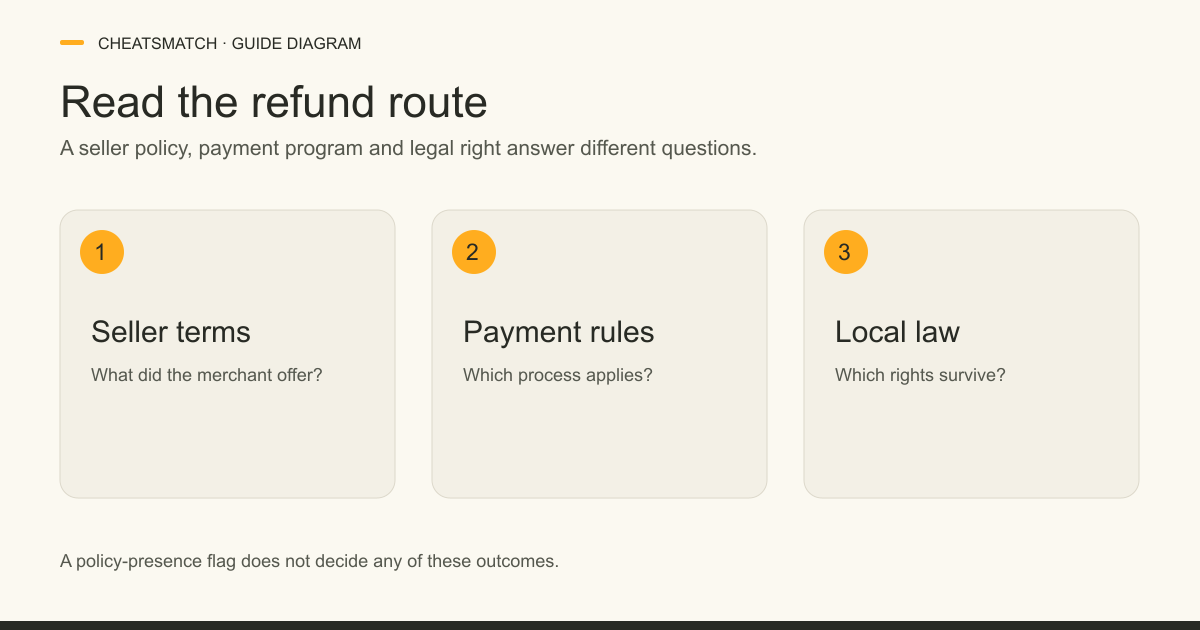 Cheat Refunds and Payment Methods: What Provider Terms Actually Say
Understand hardware bans before comparing spoofers
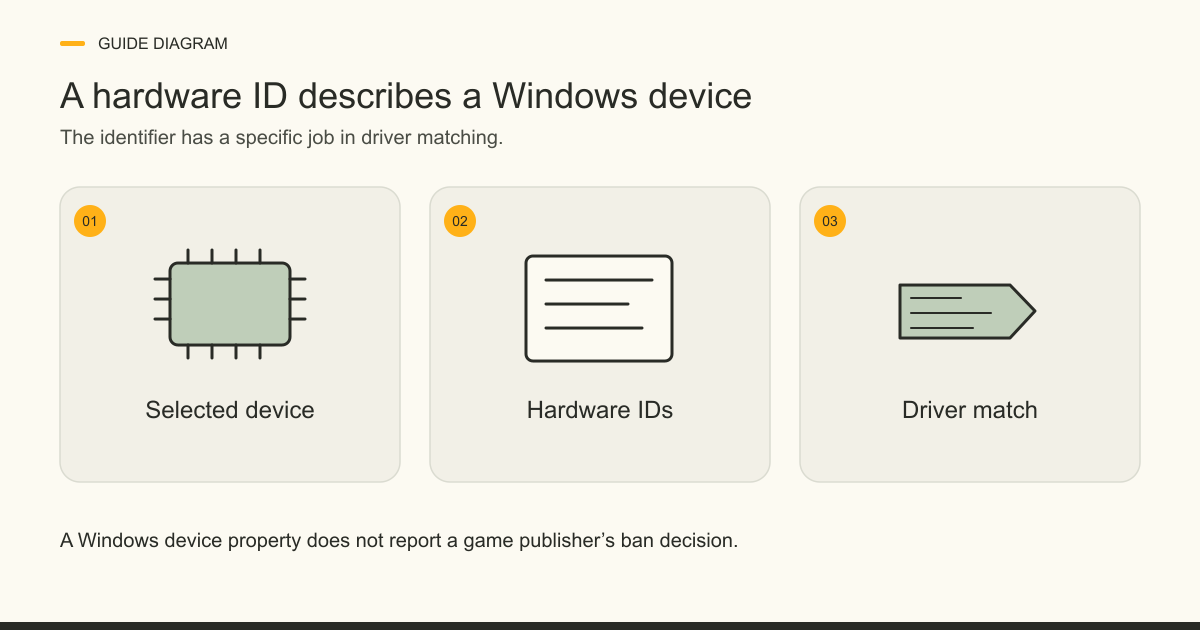
An account sanction, a hardware restriction and a service error are different issues. The hardware-ban guide explains why the exact notice and official source matter. The spoofer guide then separates a provider’s claims about device identifiers from the separate question of an account’s status.
If the terminology already makes sense, use the persistence guide. It explains why a lifetime license does not necessarily mean a permanent change, and why the provider’s description of restart behavior is more useful than a plan’s name.
Read product descriptions accurately
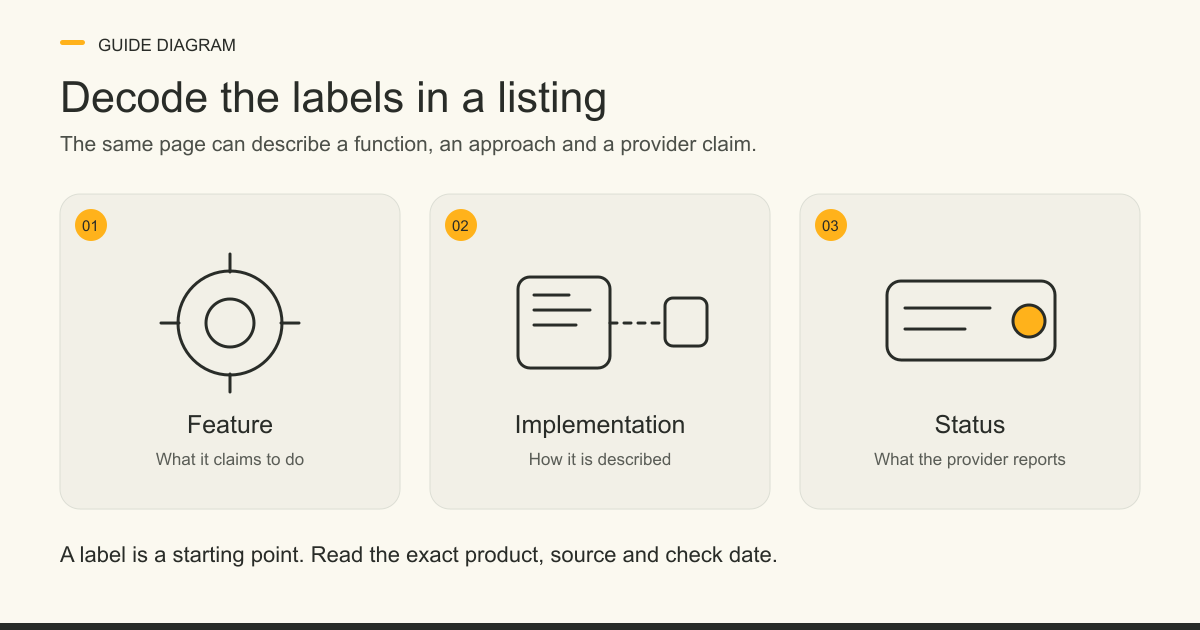
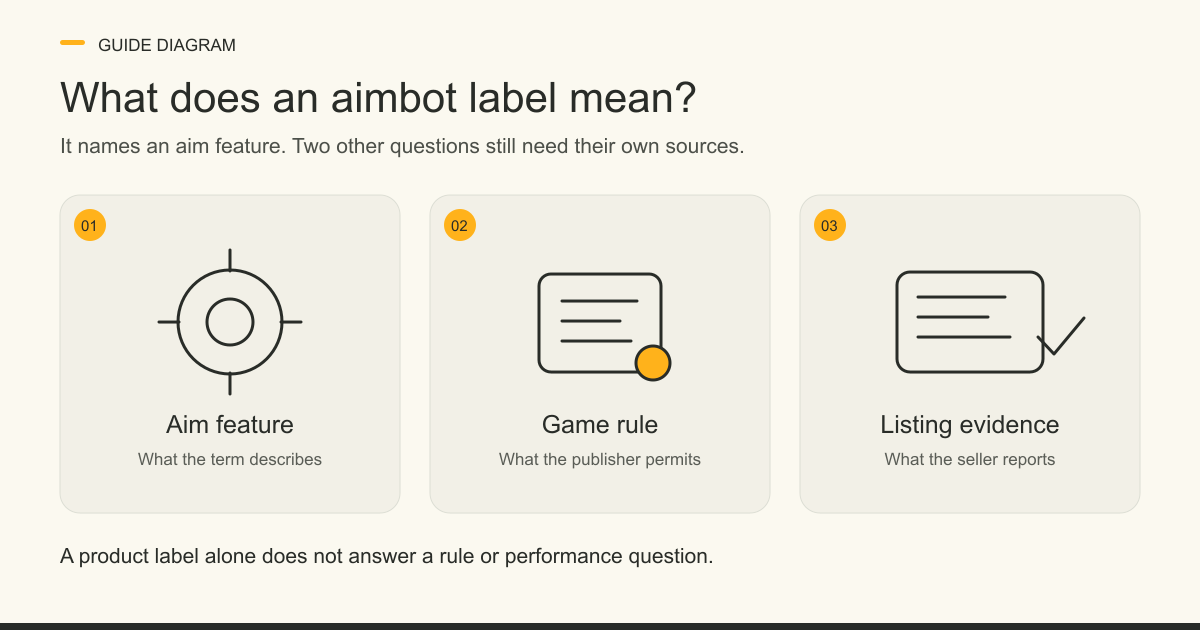
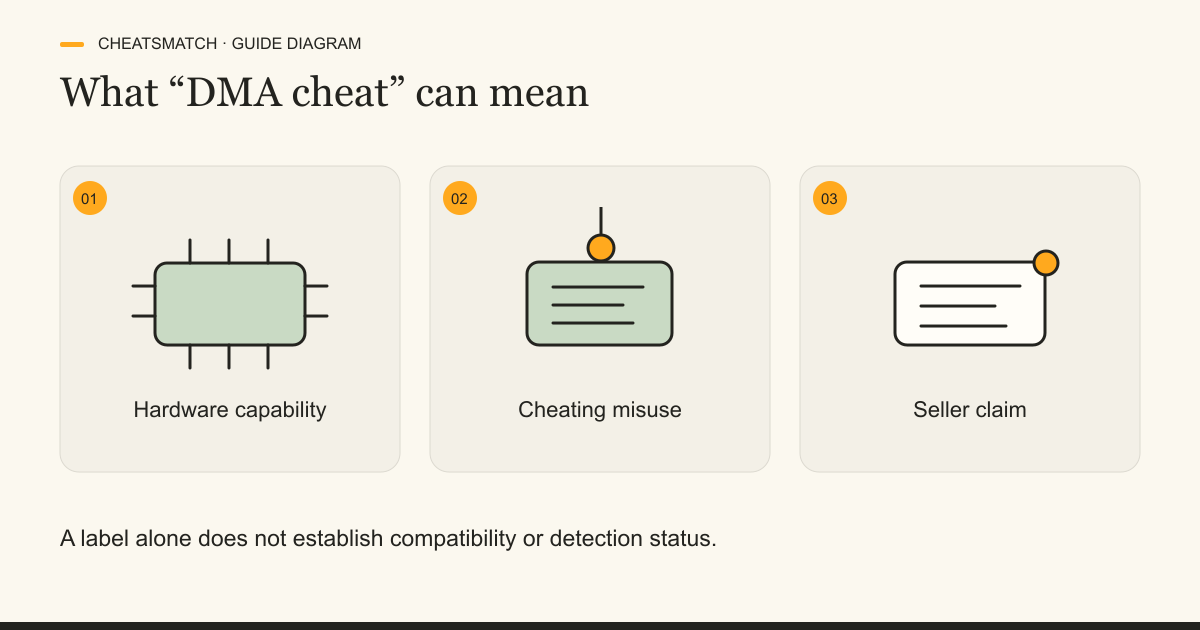
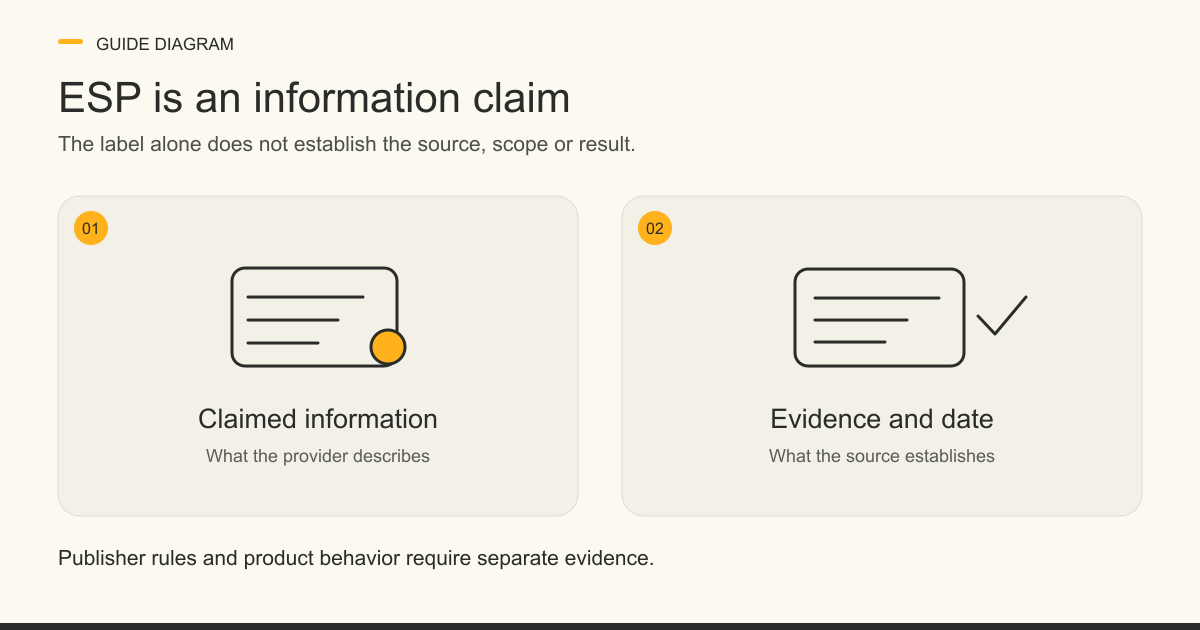
Aimbot and ESP describe features. Internal, external and screen-based describe different claimed approaches. The implementation guide explains those distinctions so similar-sounding listings are not treated as identical.
It also explains what these labels leave unanswered: the exact game, Windows requirements, additional hardware, current status, support process and access period. Those are separate fields in a useful product comparison.
Evaluate a provider’s public information
The provider guide covers matched brand identities, reseller clues, product-specific status pages, comparable prices and written policies. It also explains how to read customer reports without treating a few reviews as a measured success rate.
A detailed source can still be a provider claim. The guides use that distinction throughout so you can understand what a comparison establishes and what remains unknown.
Move from definitions to game-specific comparisons
Once you know what you are comparing, choose the exact game or the global HWID spoofer comparison. Read the original plan period, converted price where shown, reported status and date together. A generic label is a starting point; the named product and game supply the useful detail.